- North Austin (512) 794-8468

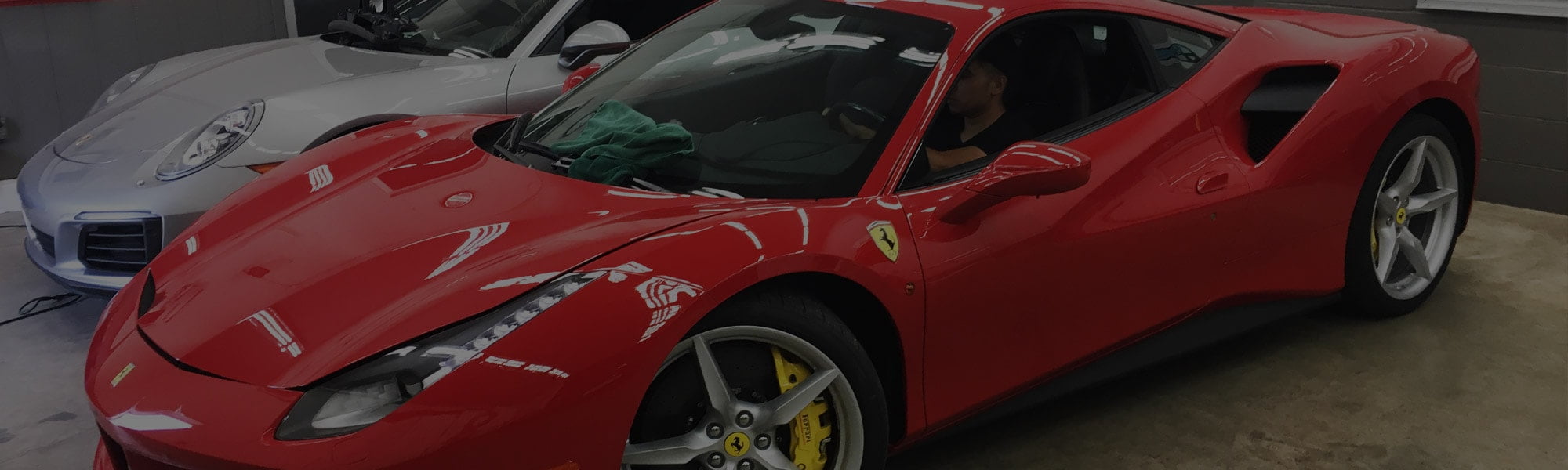
Paint protection film (PPF) helps your vehicle look newer for longer by guarding exterior surfaces against rock chips and road debris. However, it can’t erase existing defects.
So, should you arrange paint correction before PPF installation? A brand-new car in excellent condition may not need correction, while an older or visibly imperfect car probably will.
PPF is a protective layer, not a magic eraser. Although some fine surface scratches may be less noticeable once applied, deeper defects will likely remain visible beneath the film.
That’s one reason paint surface preparation matters. A clean, smooth surface gives the installer a better starting point and helps the film sit evenly. Paint correction can improve the finished appearance, while thorough cleaning and decontamination both help the film adhere properly.
Skipping paint correction before PPF installation seals those flaws under the film, where they will remain until the film is removed. Correcting them would require removing the film, addressing the paint defects, and applying new film, which can be expensive and frustrating.
One common misconception about paint correction is that every vehicle needs the same level of work, but not all cars need paint correction before PPF installation. If the clear coat looks clean and the paint is already in excellent condition, extensive correction may be unnecessary. A light polish or thorough paint surface preparation could be enough.
On the other hand, noticeable defects are worth addressing before applying PPF. During an inspection, an installer can look for swirl marks, scratches, water spots, oxidation, stains, and other defects that may show through the film.
The paint correction process usually involves using specialized pads and compounds to level the clear coat and remove defects. Minor imperfections may only need a light polish, while deeper scratches or heavier oxidation may require more extensive correction. The goal isn’t necessarily to make every inch of paint perfect but to create a clean, smooth surface that looks good before the film goes on and stays that way.
Once the surface is corrected, the PPF installer has a much cleaner, more uniform surface to work with. A thorough cleaning helps the film adhere better and ensures a flawless application. Film applied over a rough or contaminated surface doesn’t bond as evenly, which can lead to lifting edges or a less crisp finish later on. A corrected surface makes the film less noticeable and last longer.
Paint correction before PPF installation can mean the difference between a polished result and locking in the imperfections your paint has picked up over its lifetime.
If you’re considering installing paint protection film on a new car, or want to get an older one looking sharp again, start with a proper inspection and correction plan. Call Sunbusters Window Tinting Limited at (512) 794-8468, and we’ll walk you through exactly what your paint needs.