- North Austin (512) 794-8468

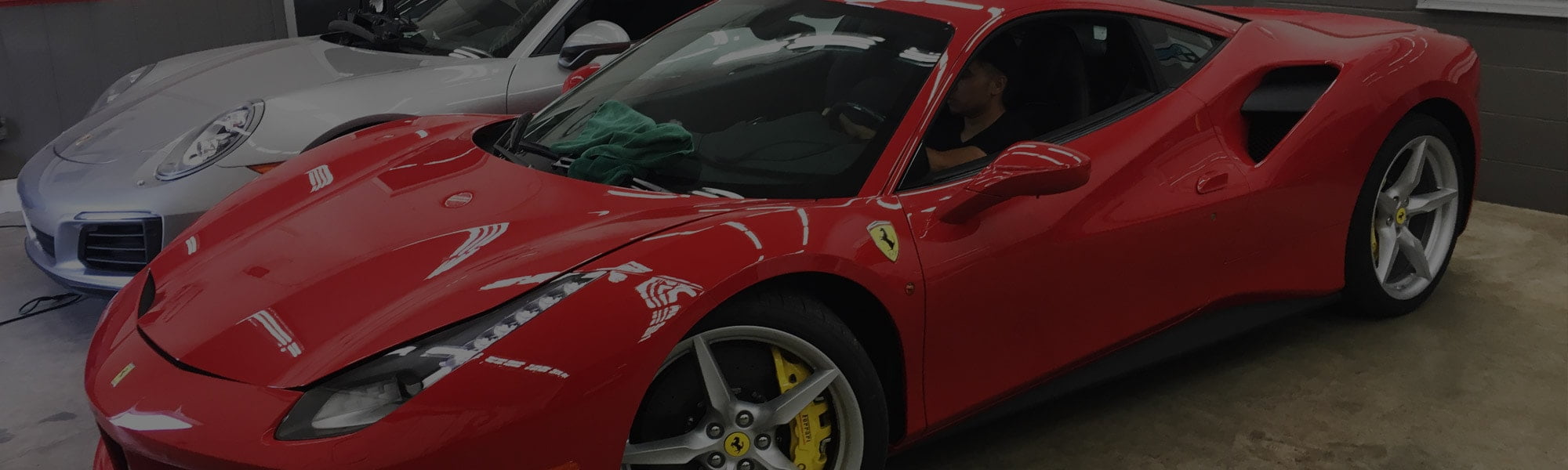
When driving on a sunny day, you might use the car visor to block direct sunlight while wearing sunglasses for added comfort and glare protection. Does window tint reduce glare, too? Automotive window tint reduces glare, provides UV protection, reduces heat, and improves safety compared to driving directly into the setting or rising sun. Professionals offering car window tinting can explain how it enhances driving safety.
When the sun is low in the sky, it often creates glare on car windows, causing temporary blindness for drivers. As light passes through the car’s windshield or other windows, it may create an uncomfortable reflection that can affect the driver’s vision. Even a momentary interruption in clear vision could cause the driver to miss seeing a hazard, increasing the risk of an accident.
While driving during times of day when the sun is causing glare, you might notice your eyes feeling tired by the time you arrive at your destination. Does window tint reduce glare that causes eyestrain? By limiting the brightness of the sunlight with window tint film, your eyes should feel a lot less tired after your drive is over.
Without window tinting, drivers may find themselves squinting to overcome glare from the sun. While this might temporarily reduce glare, it may lead to eyestrain and headaches. Squinting strains the muscles around the eyes and throughout the face, causing them to fatigue and wear down.
When a vehicle has window tint film installed, the film reduces the amount of sunlight that passes through. If the angle of the sunlight creates glare off the car’s window or off other vehicles on the road, tint reduces the glare’s intensity, helping the driver maintain clear vision.
Using a darker shade of tint will increase the amount of glare reduction you experience. However, keep in mind that your tint cannot be so dark as to violate Texas state law.
If you’re focused on reducing glare, you may want to compare carbon vs. ceramic window tint. Both materials reduce glare the same way, by limiting how much visible light passes through the film. Where they differ is heat rejection: ceramic tint significantly outperforms carbon in blocking heat, even when both films have the same visible light transmission properties. This makes ceramic the better choice if you’re looking to keep your car cooler, though it does come at a higher price point.
Window tint does more than enhance a vehicle’s appearance. It meaningfully improves the driving experience. The right tint reduces glare for the driver, sharpens visibility in challenging light conditions, and keeps passengers comfortable, all while making it safer to navigate traffic when the sun sits at a low or awkward angle. It also reduces UV exposure and heat buildup inside the vehicle, giving passengers a more enjoyable ride.
At Sunbusters Window Tinting Limited, we deliver perfect window tint installations at reasonable prices. For more information, contact us today at (512) 794-8468.